
Pulpotomy Silver Spring
Preserve Your Child’s Complete Smile

Here at Healthy Kids Pediatric Dentistry in Silver Spring, we are committed to helping young smiles thrive. Unfortunately, though, baby teeth can sometimes suffer significant damage. Rather than quickly conclude that such teeth should be removed, we might recommend that your child undergoes a restorative procedure known as a pulpotomy. This page explains what that treatment entails and why it is beneficial. Contact us if you have questions or would like to request an appointment for your little one.
Does Your Child Need a Pulpotomy?

A pulpotomy may be necessary when the innermost layer of a tooth, known as its pulp, becomes damaged or infected.
Here are some signs that your child might benefit from this treatment:
- They are complaining of a severe toothache.
- One of their teeth is highly sensitive to hot and cold temperatures, and the discomfort lingers even after the source of the temperature change is removed.
- One tooth is significantly darker than the ones around it.
- A tooth has suffered visible damage.
- There is a pimple-like bump on the gums near a tooth.
Keep in mind that a pulpotomy might be necessary even in cases where a child is not in pain.
The Pulpotomy Process

One of the first things we do during a pulpotomy appointment is make sure your child is comfortable. Not only will we administer local anesthesia, but we may also provide nitrous oxide sedation.
Once they are settled in, we will carefully access the tooth’s interior and remove the infected tissue from the crown. (While a pulpotomy is often called a “baby root canal,” the procedures are different. In a pulpotomy, we only remove tissue from the top portion of the tooth, but a root canal is more extensive.)
Once the tooth’s interior is thoroughly cleaned, we fill it with an inert material. We may also place a crown on it to help it maintain its structure and strength.
The Benefits of Your Child Getting a Pulpotomy

A pulpotomy has the potential to provide several benefits for your child:
- A pulpotomy allows your child to keep their baby tooth until it is ready to fall out on its own. This supports the health and alignment of incoming adult teeth and prevents them from having an embarrassing or inconvenient gap in their smile.
- This procedure can end your child’s toothache and help them enjoy better quality of life.
- A pulpotomy may help you save money in the long run. By preserving the tooth, we may be able to reduce the need for future dental procedures, such as orthodontia.
Understanding the Cost of Pulp Therapy

As a frugal parent, you may rightly have questions about how much it will cost for your child to undergo a pulpotomy, which is also known as pulp therapy. Our team does not want you to feel lost when it comes to the financial aspect of your little one’s care, so you can rely on us to provide a detailed cost estimate. We can also help you understand payment options, such as insurance, financing, and our in-house membership plan.
Factors That Can Affect Pulp Therapy Cost

Some factors that may affect the cost of your child’s pulp therapy include:
- The specific tooth that requires treatment. Some teeth are more difficult to access and treat than others, which naturally leads to a lengthier process and higher overall costs.
- The overall complexity of the case. Our team can perform pulpotomies, but some children need pulpectomies (a more complex process), which might require us to refer your family to a specialist who has a different pricing structure.
- Additional services. Your child may need a crown after their pulpotomy. The restoration will come with a fee that is separate from the cost of their pulp therapy.
Is It Cheaper to Pull My Child’s Tooth?
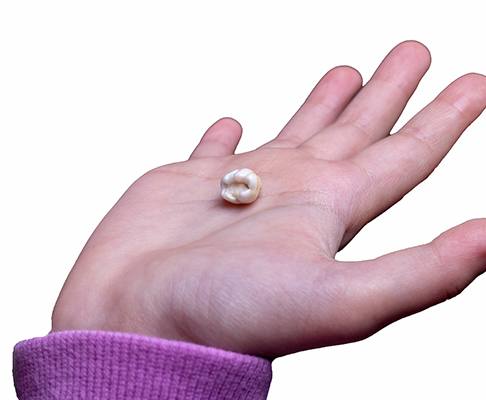
Yes, the upfront cost of a tooth extraction is often cheaper than that of pulp therapy. However, before you jump to any decisions, it is important to understand the long-term implications of each option.
If your child prematurely loses a baby tooth, it can interfere with the development of adult teeth, which might lead to costly procedures in the future. In contrast, a pulpotomy preserves the tooth. This can lower the risk of future problems and set your child up for better long-term oral health. Indeed, a pulpotomy might actually be the cheaper option in the long run!
Does Dental Insurance Cover Pulp Therapy?
Yes, some dental insurance plans cover pulp therapy for kids. Often, it is classed as a major procedure, so around 50% of its cost might be covered. Other plans might categorize it as a minor procedure and provide 80% coverage. Our team welcomes dental insurance, and we are in-network with major plans. We will be happy to help you figure out how your benefits apply and file claims on your behalf.
Other Options for Making Pulpo Therapy Affordable

Beyond regular dental insurance, other provisions that might make your child’s care more affordable include:
- Our membership plan. In exchange for a reasonable fee, your child can enjoy all preventive care. Plus, our plan comes with a discount on additional services performed in our office, including pulp therapy.
- Maryland Healthy Smiles. Our team welcomes this program and can help you figure out if your child qualifies for it.
- CareCredit is a third-party company that provides low-interest payment plans for dental services. The application process is fast, and our team will be happy to walk you through it.
Would you like to learn more about pulp therapy for kids and its cost? Do not hesitate to reach out to our friendly Silver Spring team today.
Pulpotomy FAQs
What should I do to help my child prepare for a pulpotomy?
It’s natural for a child to be anxious about this kind of procedure. This is why we recommend that you speak positively about the dentist’s office and the treatment they will receive. Using a calming voice and reassuring tone can help ease your little one’s mind, reminding them they will remain in a safe, comfortable environment. If necessary, your child can bring a stuffed animal or blanket.
Before leaving for their appointment, ensure they brush their teeth and follow all pre-treatment instructions provided by our team. It can be helpful to arrive a few minutes early, so your little one is comfortable in the chair.
How long will my child’s pulpotomy last?
When your child needs a pulpotomy in Silver Spring, it’s natural to wonder how long the results of treatment will last. Since this type of procedure is recommended for young patients who still have their baby teeth, you can expect it to last until it’s time for the tooth to fall out on its own. In the meantime, your child can continue to use their tooth normally.
Of course, you will need to help your child maintain their oral health and hygiene after undergoing a pulpotomy. This will keep the material in optimal condition to prevent reinfection.
Can my child eat before a pulpotomy?
Our team will provide all necessary instructions for pre-treatment readiness to ensure you understand how to prepare your child before the day of their procedure. It is recommended that your child eat a light meal before their appointment, so they do not feel hungry after treatment. However, it is best to avoid hard or sticky items.
If they plan to receive dental sedation, we will provide a time for them to stop eating and drinking before their appointment. This will help minimize possible nausea that can occur when receiving sedation and local anesthesia.
What happens if I wait too long to get a pulpotomy for my child?
Waiting too long for a pulpotomy can put your child at risk. The infection can worsen and potentially affect nearby healthy teeth and tissues. Not only will your child likely experience additional pain and swelling, but it’s also possible that an abscess might form. This can become a timely issue that will require extensive remediation.
Another possibility is that your child may require a more complex procedure, such as a pulpectomy or tooth extraction.