Sedation Dentistry Aspen Hill
Where Anxiety-Free Dental Visits Are Possible
A child expressing anxiety over visiting the dentist’s office is not an uncommon occurrence. Unfortunately, past experiences, bothersome sights and sounds, and even the inability to remain still can make appointments seem impossible. At Healthy Kids Pediatric Dentistry, we aim to address these challenges with a safe and reliable solution – sedation dentistry. Whether it’s nitrous oxide or general anesthesia at a local hospital that your child needs, we’re here to provide it. Just call our office and ask a member of our team how we can ensure a positive dental experience.
Nitrous Oxide Dental Sedation
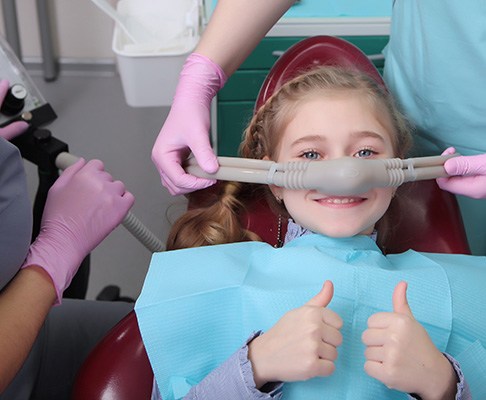
Does your child struggle with anxiety, stress, and nerves surrounding their dental visits? If so, you’ll be happy to hear that we can give them a soothing, calming, and comfortable dental experience with nitrous oxide! If you are interested in learning more about this type of dental sedation, including if we recommend it for your little one, then get in touch with our team at Healthy Kids Pediatric Dentistry. You can also read on to learn more.
Who Is a Good Candidate for Nitrous Oxide?
Nitrous oxide (which is commonly referred to as dental laughing gas) is typically recommended for kids who:
- Experience dental-related anxiety
- Have a sensitive gag reflex
- Need extensive dental care
- Have a fear of needles
With that said, it’s not ideal for everyone. For instance, if your child has a condition that makes it difficult for them to breathe through their nose, like asthma, then nitrous oxide isn’t ideal. That’s why the initial appointment is so important!
How Does Nitrous Oxide Work?
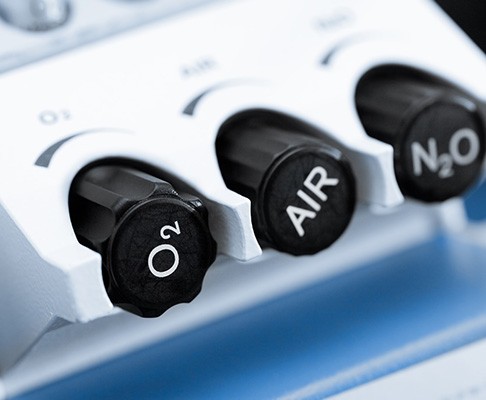
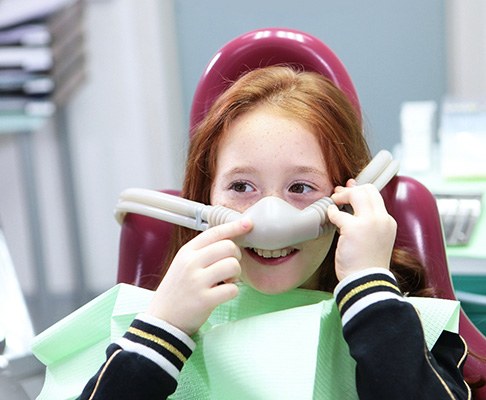
Nitrous oxide is administered through a nasal mask, which your child will wear while in the treatment chair. Once it’s in place, we will ask them to breathe in through their nose. Within a matter of minutes, they will feel a wave of relaxation wash over them, helping them feel comfortable. Then, we will provide the dental work that their smile needs to thrive. Throughout the process, we will check in with them to ensure that they feel calm and at ease from start to finish.
Aftercare for Nitrous Oxide
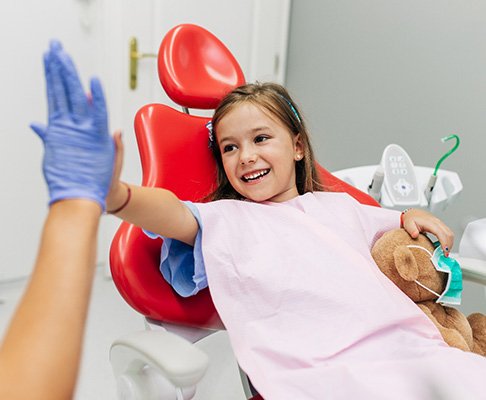
One of the best parts of nitrous oxide is that once the gas is turned off and the mask is removed, the effects begin to dissipate. So, your child won’t need to miss the rest of the school day or deal with lingering grogginess. Instead, they will be able to resume their usual routine!
Of course, if your child received a restorative treatment, like a root canal, then there will be certain aftercare instructions that they need to follow. For example, if we restored the look, health, and strength of a decayed tooth with a dental crown, then we may ask them not to chew on that side of their mouth right away.
General Anesthesia at a Local Hospital
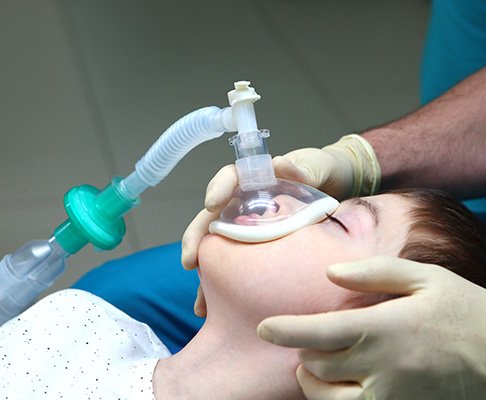
When general anesthesia at a local hospital is recommended, you can expect your child to have no recollection of their procedure; instead, they’ll remain unconscious and comfortable throughout their entire treatment. They will be closely monitored by skilled professionals who will administer the sedation medicine and implement strict safety precautions. Once treatment is complete, they will need to spend the remainder of the day at home, getting plenty of rest and following all other post-operative instructions.
Who Is a Good Candidate for General Anesthesia?

General anesthesia is not necessary in most cases. Often, as a sedation dentist for kids in Silver Spring, we reserve it as a last resort. However, there are some situations in which it is the best option. After a thorough evaluation by our team, we will likely suggest this method only if your child needs extensive dental work or has a physical or intellectual disability that makes it difficult for them to undergo dental care.
Of course, we will also review their medical history to make sure that general anesthesia is not overly risky for them. It may not be a good fit for kids with certain conditions, such as severe lung disease, kidney disease, or neurological issues.
How Is General Anesthesia Different from Dental Sedation?

While routine dental sedation is sometimes called “sleep dentistry,” that term is not entirely accurate. In fact, regular sedation usually leaves the patient aware enough to respond to their surroundings, though they may feel extremely relaxed or even somewhat drowsy. Dental sedation is not meant to cause unconsciousness.
General anesthesia, on the other hand, does cause unconsciousness. It induces a total unawareness of one’s surroundings and bodily sensations. It often requires the presence of a certified anesthesiologist due to its complex nature, and it is more likely to be used in situations where it would be partially covered by insurance.
Aftercare for General Anesthesia

Our team will provide you with detailed aftercare directions before you take your child home. Keep in mind that the effects of general anesthesia can linger for quite a while after the medication is no longer being administered. Your child should rest for 24 hours or so after their procedure. They should also have someone close by to keep an eye on them in case they need anything or experience any unexpected side effects.
You should help your child stay hydrated, and give them soft foods that do not present a choking hazard. It is also important that you help them adhere to all post-op instructions that are related to their specific dental procedure.
Sedation Dentistry FAQs
Is sedation dentistry safe for kids?
It’s natural to want to protect your child’s best interests, and many parents and guardians wonder whether the medications used for dental sedation are considered safe for still-developing smiles.
Although our team’s primary goal is to help kids build and maintain happy, healthy teeth and gums, we won’t do anything that we think might negatively impact their general health. We take the time to update their medical history, including listing any current prescriptions they take, to avoid potential negative interactions.
But thankfully, nitrous oxide (laughing gas) is considered safe for most people as long as it’s provided by a trained professional, and our team will closely monitor your child’s health stats if they undergo general anesthesia to ensure everything remains within the expected, healthy ranges.
What does dental sedation feel like?
Nitrous oxide, popularly known as laughing gas, kicks in moments after your child begins to inhale the gas through the mask placed over their nose while we work. They won’t be ‘knocked out’, but this medication inhibits their body’s ability to respond to external stimuli. This can cause them to feel tingly or lightweight, and they might catch a case of the giggles, which is likely how this sedative earned is nickname.
Meanwhile, if they require general anesthesia, they will be put to sleep, so they likely won’t feel anything until they wake up after the procedure.
Will my child remember anything after sedation?
Are your curious whether your child will be able to recall the specifics of their procedure afterwards if they’ve been sedated? While nitrous oxide doesn’t render them unconscious, they may not be able to clearly remember their appointment after the sedative wears off, which many parents of more anxious kids often consider another benefit of this service.
Children who undergo general anesthesia are highly unlikely to recall any information about their visit because it does put them to sleep for their procedure.
Does dental insurance cover sedation?
Our Silver Spring office proudly accepts all major PPO dental insurance plans and is in-network with many providers to help reduce out-of-pocket expenses for various treatments and procedures.
However, many of these policies categorize sedation as a luxury rather than a necessity, and don’t cover the cost. But our compassionate team doesn’t want your family’s current financial circumstances to prevent your child from receiving quality, comfortable care, so we also offer an in-house membership plan with discounts and accept CareCredit financing to help make services more affordable.